


Is Color Analysis Worth It? An Honest Look at the Cost and Benefits
If you have been watching color draping videos online, you may be wondering: Is color analysis worth it, or is it simply a fun experience that tells you which colors to wear?
My honest answer is that professional color analysis can be incredibly useful, but it is not automatically worth the investment for everyone.
It is most valuable when you want personalized guidance that you can use repeatedly for clothing, makeup, jewelry, accessories, and hair color. The real benefit is not simply learning that you are a Spring, Summer, Autumn, or Winter. It is understanding what makes a color work for you and having a practical reference that helps you make decisions afterward.
Here is what you are actually paying for, how the results can be used, and how to determine whether professional color analysis is worth it for you.
What Is Professional Color Analysis?
Professional color analysis is a process used to identify the colors that are most harmonious with your natural coloring.
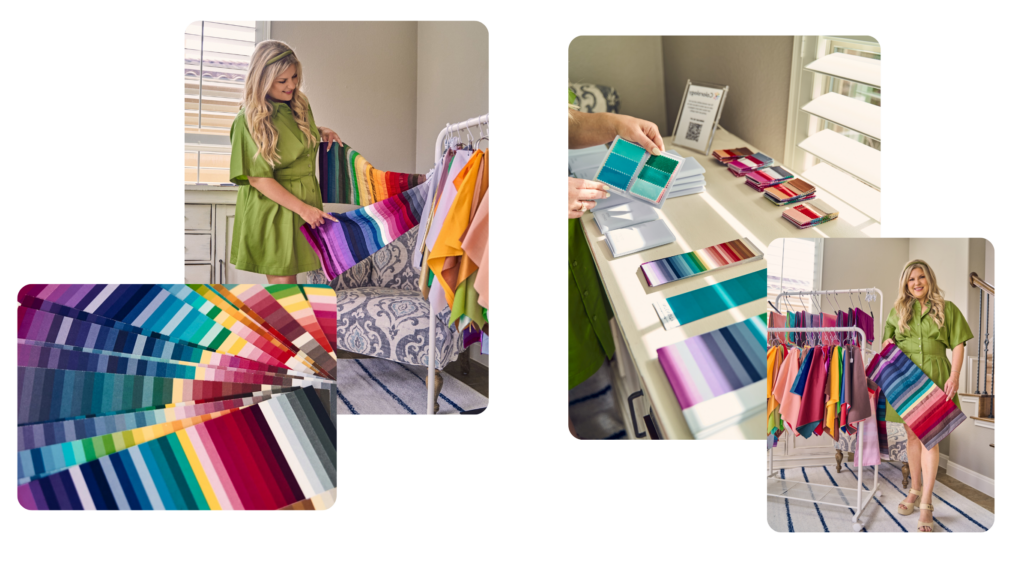
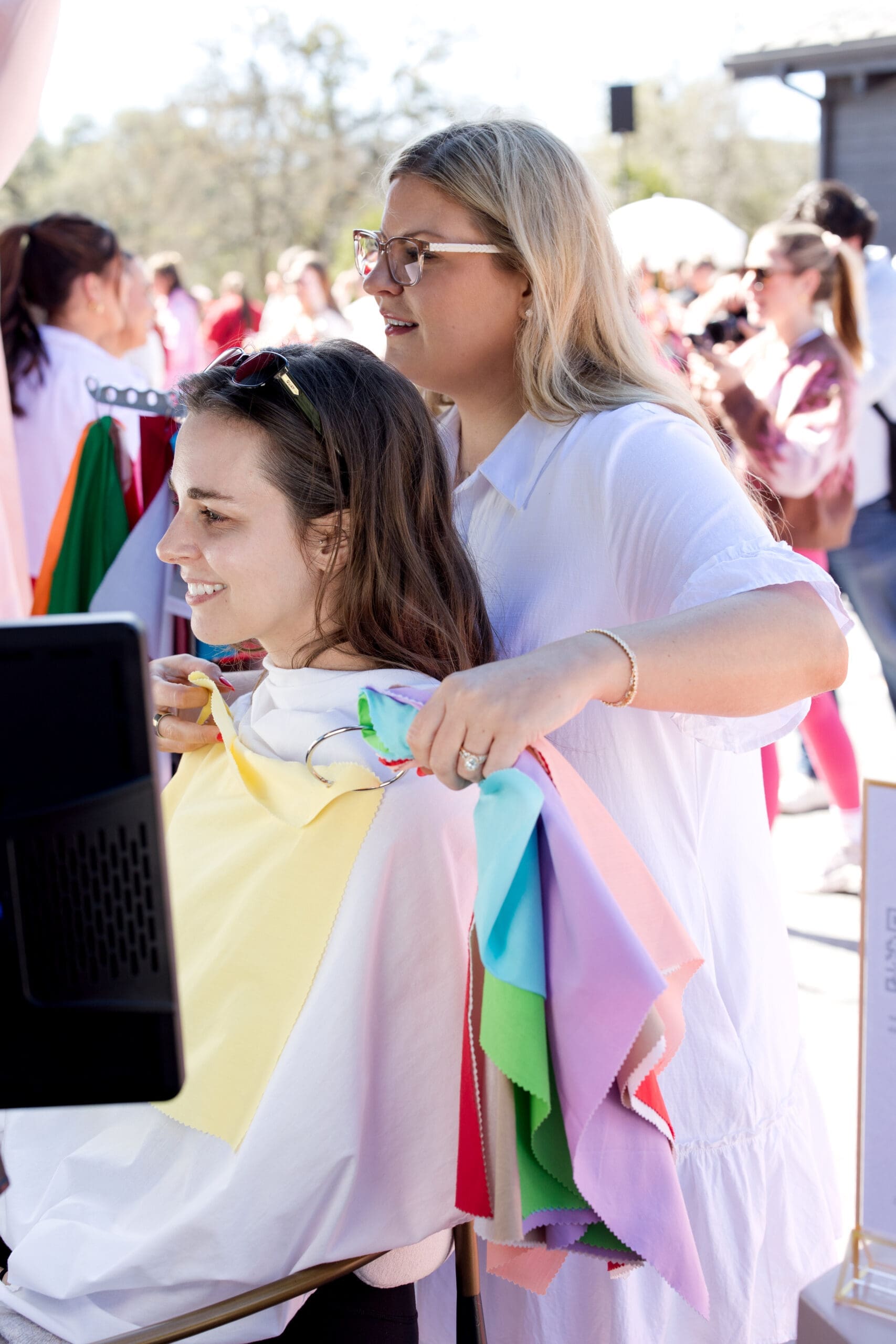
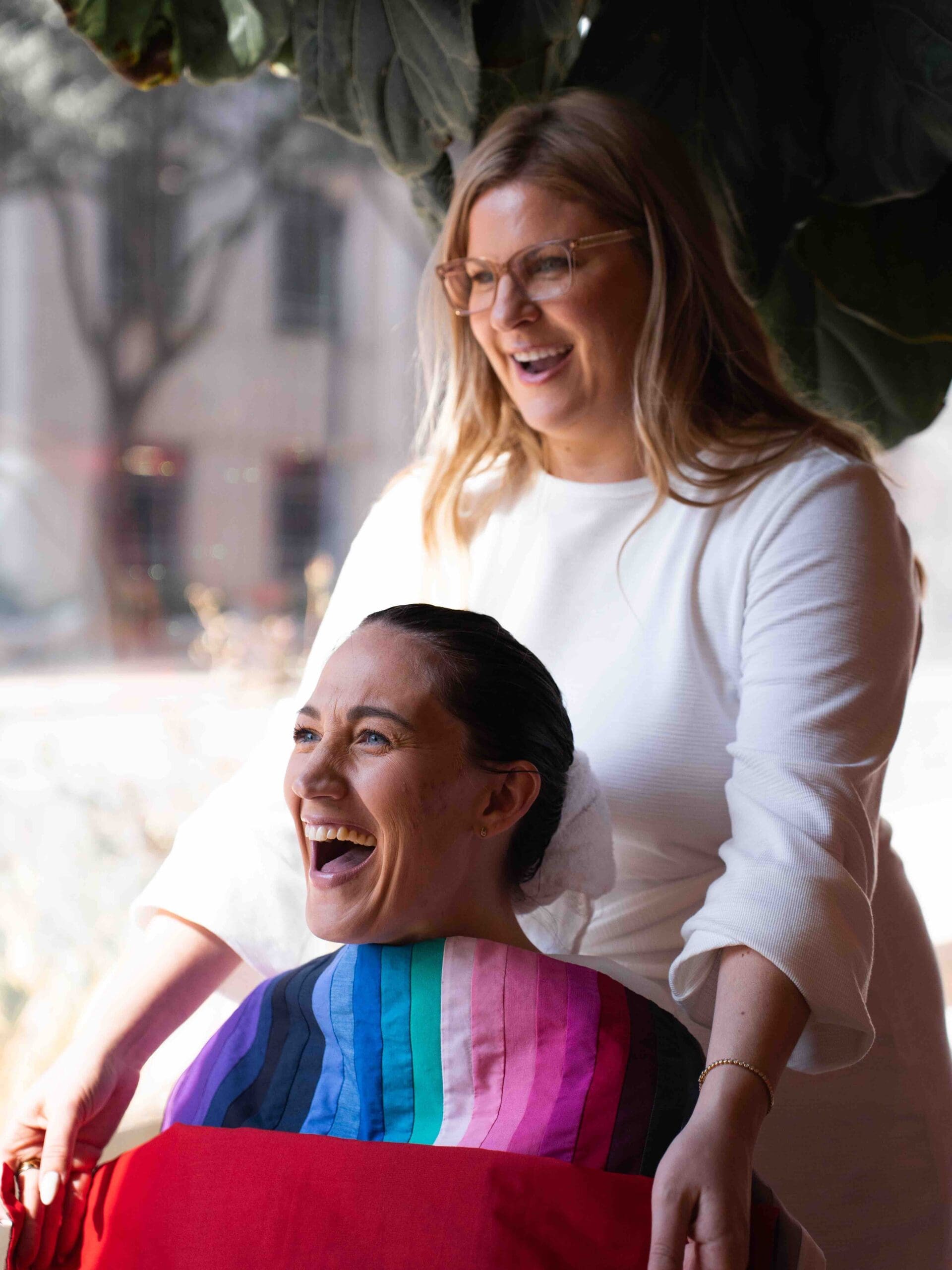
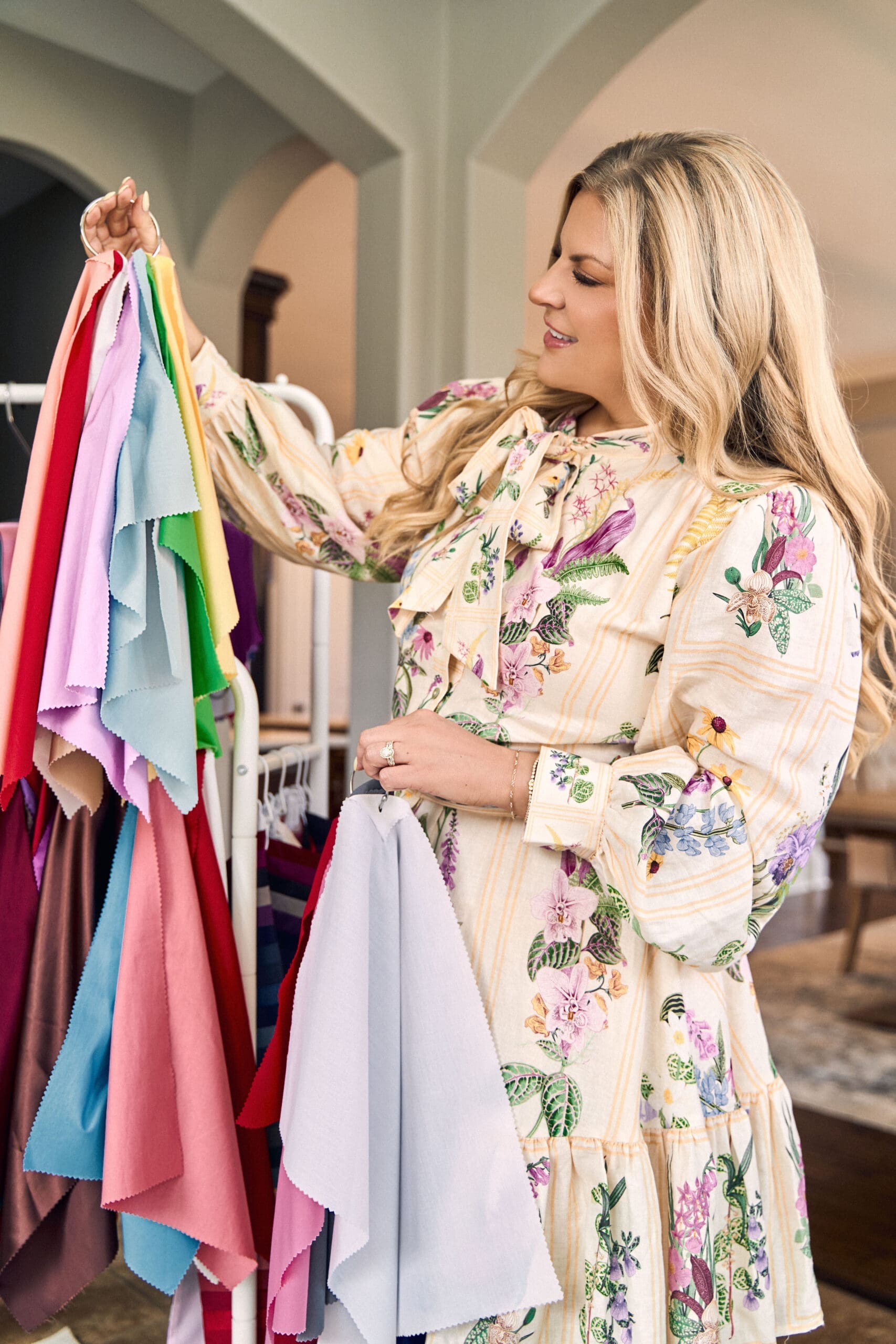
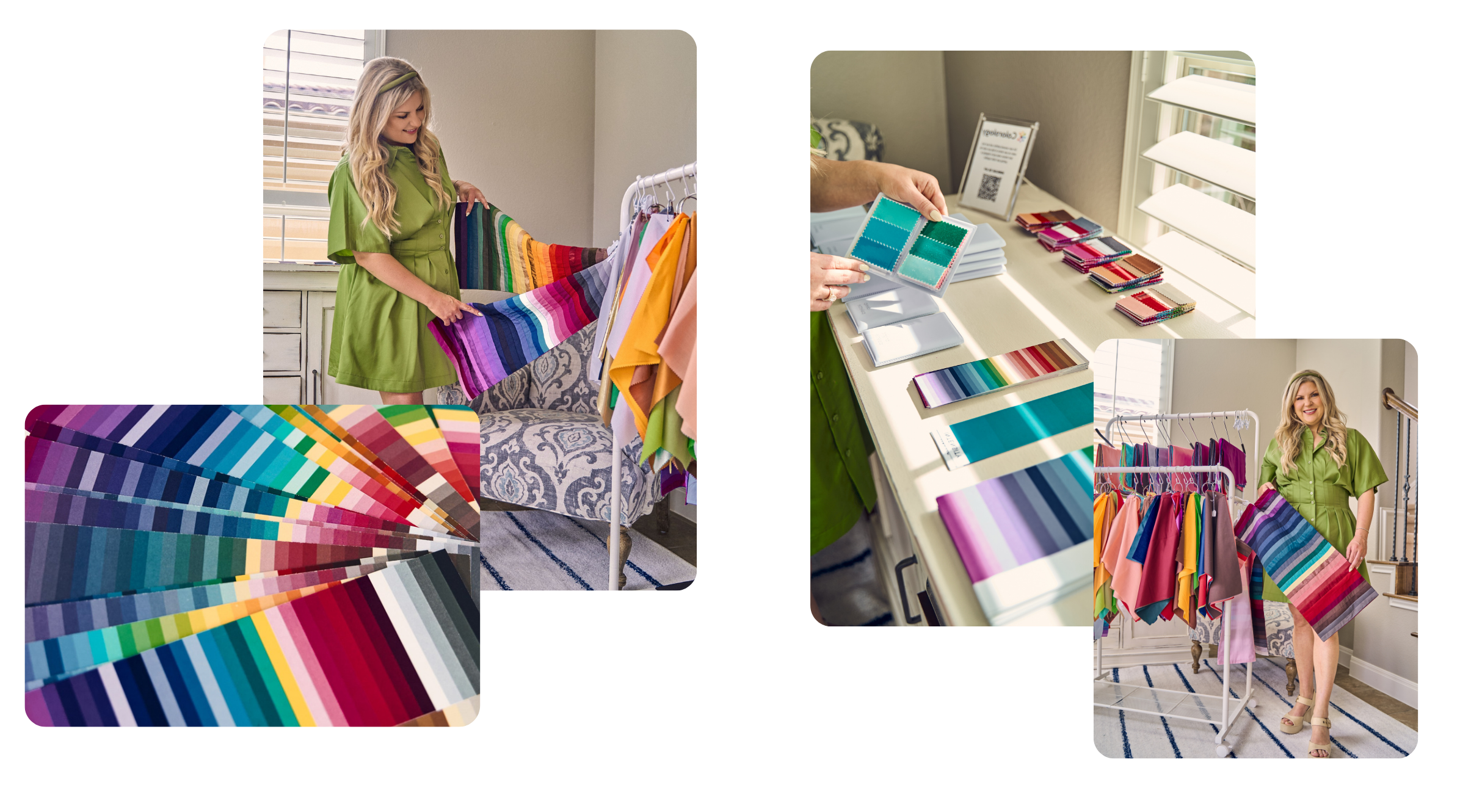
During an in-person appointment, fabric drapes are placed near your face so the analyst can compare how different colors affect the appearance of your skin and features.
The analyst may observe whether a color:
- Makes your complexion appear more even
- Brightens or defines your eyes
- Reduces the appearance of shadows
- Emphasizes redness or discoloration
- Overpowers your natural features
- Creates balance between your skin, eyes, and hair
The goal is not to select colors based only on your hair or eye color. It is to compare colors directly and observe how your skin responds.
At ATX Color Studio, I use a 23-season color analysis system. We begin with your broader seasonal direction and continue refining until we identify a more precise palette based on your undertone, intensity, depth, and contrast.
What Are You Actually Paying For?
When you book a professional color analysis, you are not only paying for the name of a season.
You are paying for the analyst’s training, experience, method, appointment time, draping materials, lighting, personalized interpretation, and the resources you receive afterward.
A complete session should help you understand:
- Your best clothing colors
- Your most useful neutral shades
- Your ideal level of brightness or softness
- Your best light and dark colors
- Flattering jewelry metals
- Makeup color direction
- Hair color recommendations
- How to combine the colors in your palette
- How to wear colors that fall outside your season
The value of an appointment depends heavily on how detailed the analysis is and whether you leave knowing how to use the information.
Being told that you are simply an “Autumn” may not give you enough direction. Autumn palettes can vary considerably in their warmth, depth, softness, and intensity. A more precise result can make it easier to recognize your colors when you are actually shopping.
Why Not Just Use a Free Quiz or App?
Free quizzes, digital drapes, social media groups, and color analysis apps can be fun ways to begin exploring your coloring.
They may help you notice patterns or narrow down a few possibilities. However, they also have limitations.
A photograph can be affected by:
- Indoor or outdoor lighting
- Camera settings
- Automatic color correction
- Screen brightness
- White balance
- Makeup
- Self-tanner
- Reflections from nearby clothing or walls
Your appearance can also look different from one photograph to another, which is why online quizzes sometimes produce conflicting results.
A professional in-person analysis allows colors to be compared under controlled conditions while you and the analyst observe the effects in real time. You can also ask questions and understand why one color is more harmonious than another.
That does not mean every app or online tool is useless. It means the result may not offer the same level of accuracy, explanation, or personalization as a thorough professional appointment.
How Can Color Analysis Save You Money?
Color analysis cannot guarantee that you will never make another shopping mistake.
Fit, fabric, comfort, quality, lifestyle, and personal style still matter. A shirt can be the perfect color and still be the wrong purchase for you.
What your palette can provide is an additional filter.
Before buying something, you can ask:
- Does this color complement my natural coloring?
- Will it coordinate with other pieces I already own?
- Is this a shade I am likely to enjoy wearing near my face?
- Does it match the undertone and intensity of my palette?
- Am I buying it because it suits me or because it looks good on the model?
Your palette can help you become more selective, especially when you are deciding between several versions of the same item.
For example, you may know that you need a new neutral blazer but feel unsure whether to choose black, navy, camel, chocolate, cream, or gray. Understanding your most flattering neutrals can make that choice much easier.
The financial value does not come from following your palette perfectly. It comes from having better information before you spend money.
Can Color Analysis Make Your Wardrobe Easier to Use?
One of the most practical benefits of color analysis is that it can help you create a wardrobe with more visual consistency.
Colors within the same palette tend to share related qualities. They may have a similar undertone, level of intensity, or depth. As you gradually add more of those colors to your wardrobe, it may become easier to combine your clothing into outfits.
This does not mean your closet needs to contain only colors from your season.
You can continue wearing colors you love, even when they are not among your most flattering. Your results simply help you understand which colors may require more intentional styling.
You might choose to:
- Wear a less flattering color away from your face
- Add a jacket or scarf in one of your best colors
- Use jewelry to create more harmony
- Adjust your makeup
- Pair the item with a better neutral
- Choose a version of the color that is closer to your palette next time
Color analysis should give you more options and understanding, not make your wardrobe feel restrictive.
Is Color Analysis Helpful for Makeup?
Color analysis can be especially valuable if you frequently struggle with lipstick, blush, bronzer, or eyeshadow shades.
A makeup product may look beautiful in its packaging, on a model, or when swatched on your hand but appear completely different once it is applied to your face.
Your seasonal palette can give you direction regarding:
- Warm, cool, or neutral makeup tones
- Bright versus muted shades
- Light versus deep lip colors
- Blush families
- Eyeshadow colors
- Eyeliner and mascara shades
- Highlight and bronzer direction
It is important to distinguish color analysis from foundation matching. Your seasonal result can provide helpful undertone information, but foundation also needs to match the depth and surface coloring of your skin at that particular time.
The primary benefit is having a clearer way to narrow down the large number of makeup options available.
Can Color Analysis Help With Hair Color?
Hair color is another area where the results can be useful.
Someone may look best with warmth in the hair but repeatedly receive very ashy color. Another person may need a cooler or more neutral direction but continue choosing shades that become overly golden.
A color analysis can help identify:
- Whether warmer or cooler hair colors are more harmonious
- Whether your coloring benefits from golden, copper, neutral, or ashy tones
- How light or deep your hair can go before it overpowers your features
- How much contrast works well with your natural coloring
- A useful direction for highlights, lowlights, or an all-over color
Your colorist will still need to consider your hair’s condition, maintenance preferences, starting color, and what is realistically achievable.
Think of your color analysis as a visual direction that you can discuss with your hairstylist, rather than a substitute for professional hair-color formulation.
Does Knowing Your Colors Increase Confidence?
Color analysis does not create confidence on its own, and no palette should determine whether you are allowed to wear something.
What it can do is remove uncertainty.
When you understand why certain shades make you feel brighter and more balanced, it becomes easier to make decisions without repeatedly second-guessing yourself.
You may feel more confident choosing:
- An outfit for professional photographs
- A dress for an important event
- A lipstick for everyday wear
- A new hair color
- Clothing while shopping online
- Colors for a more intentional wardrobe
The confidence comes from understanding your options rather than following a rigid set of rules.
How Long Are Color Analysis Results Useful?
A complete color analysis is designed to be a long-term reference.
Your personal style may change. You may color your hair, begin wearing more or less makeup, move to a different climate, or enter a new stage of life. Your preferences can also evolve.
Your palette can still provide a consistent foundation for evaluating color throughout those changes.
You do not need to immediately transform your entire wardrobe. Many people begin by using their results for future purchases, makeup replacements, special-event clothing, or their next hair appointment.
The more often you use the information, the more value you are likely to receive from the initial investment.
When Is Professional Color Analysis Worth It?
Professional color analysis may be worth it for you when you:
- Regularly buy clothing colors that you do not end up wearing
- Feel overwhelmed by the number of available makeup shades
- Want to build a more coordinated wardrobe
- Are considering a significant hair color change
- Have received conflicting results from quizzes or apps
- Want to see the effects of different colors in person
- Are entering a new stage of life and refreshing your style
- Want a clear palette that you can reference while shopping
- Value personalized guidance and the opportunity to ask questions
It may also be worthwhile simply because you enjoy beauty, fashion, or personal style and want to understand your coloring more deeply. An experience does not have to produce a precise financial return to be personally valuable.
When Might Color Analysis Not Be Worth It?
Professional color analysis may not be the right investment for everyone.
It may not be worth it for you right now if:
- You are satisfied with your current wardrobe and color choices
- You rarely buy clothing or makeup
- You do not plan to use a palette after the appointment
- You strongly dislike the idea of considering color guidelines
- The cost would create financial stress
- You only want someone to confirm a result you have already chosen
- You expect the session to solve every wardrobe or personal-style challenge
Color analysis focuses on color. It does not replace tailoring, personal styling, closet organization, or learning which silhouettes and fabrics work for your body and lifestyle.
It is one tool within a much larger personal-style process.
What Makes a Color Analysis Good Value?
A higher price does not automatically guarantee a better analysis. At the same time, two services with very different levels of detail may not provide the same value.
Before booking, consider asking:
- What training has the analyst completed?
- Which color analysis system do they use?
- How long is the appointment?
- Will physical fabric drapes be used?
- How precise will the final result be?
- Is a physical or digital palette included?
- Will you receive clothing and neutral recommendations?
- Does the session include makeup and hair color guidance?
- Are shopping resources included?
- Can you ask questions after the appointment?
You should understand exactly what the listed price includes before you book.
The best value is not necessarily the least expensive appointment. It is the session that gives you an accurate result, explains it clearly, and provides resources you will realistically use.
What Is Included at ATX Color Studio?
An in-person color analysis at ATX Color Studio is a private, 90-plus-minute appointment at my studio in Bee Cave, just outside Austin.
Your experience includes:
- Professional fabric draping
- Analysis using the 23-season method
- Your precise season and sub-season
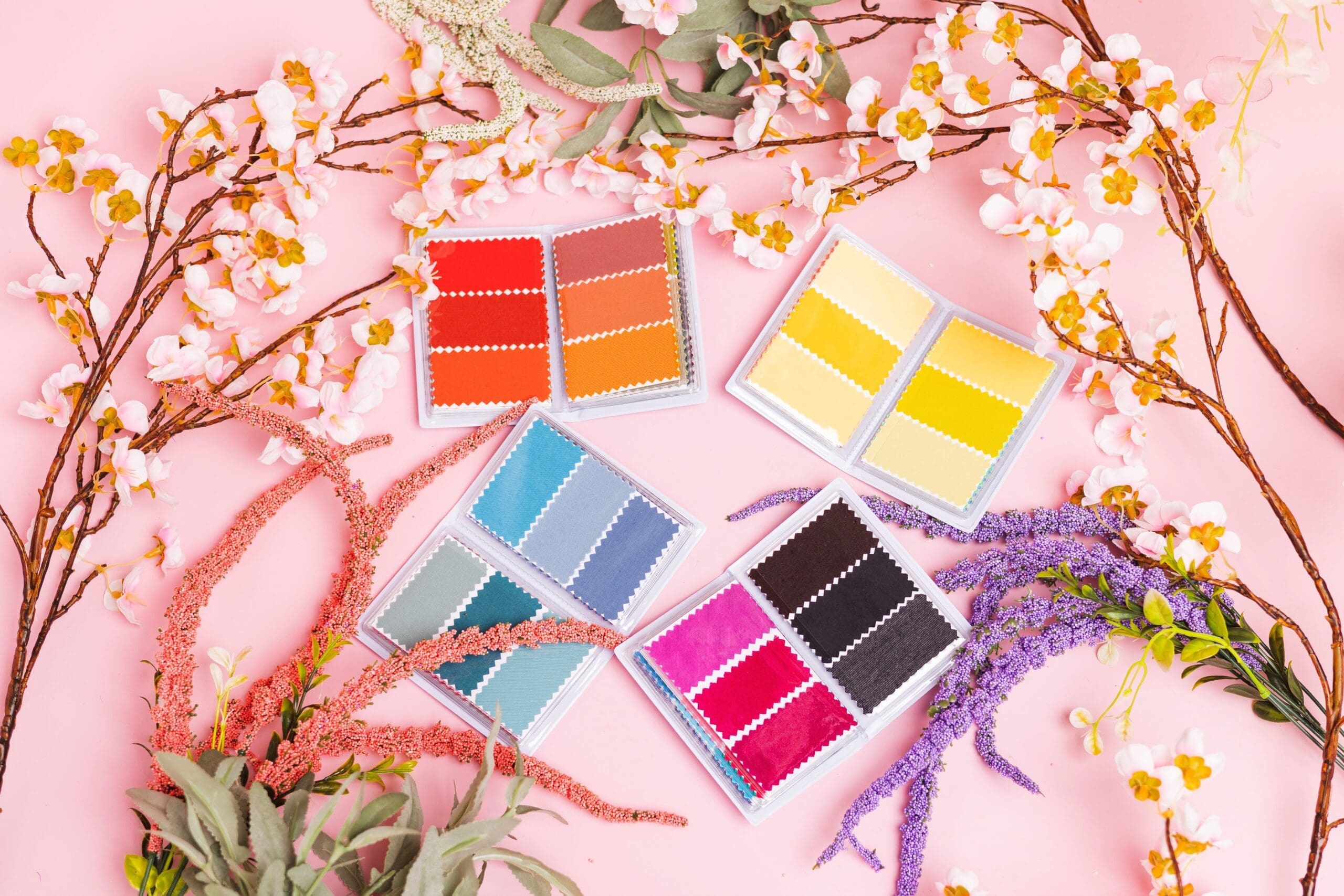
- A customized physical swatch book
- Clothing and neutral color guidance
- Makeup color recommendations
- Seasonal lipstick testing
- Hair color recommendations
- Jewelry and accessory guidance
- Personalized PDF shopping guides
- Access to more than 150 colors through the Colorology app
- A complimentary follow-up Zoom call
My goal is not simply to tell you the name of your season. I want you to leave understanding what your results mean, why the colors work, and how to use them in your everyday life.
For current pricing and a detailed comparison of what affects the cost of a session, read my guide to color analysis pricing in Austin.
Frequently Asked Questions
Is professional color analysis accurate?
The quality of a result depends on the analyst’s training, experience, method, lighting, and the care used during the comparison process. Before booking, review the analyst’s credentials, system, client work, and what the appointment includes.
Is in-person color analysis better than online color analysis?
In-person analysis allows you to watch physical drapes being compared near your face in real time. Online analysis may be more convenient, but it depends on photographs and careful image preparation. The better option depends on your location, budget, preferences, and the quality of the individual service.
Will I need to replace my wardrobe?
No. Your palette should be used as a guide for future decisions, not as a reason to discard everything you own. You can begin with makeup, accessories, or new purchases and gradually use your colors in a way that suits your lifestyle.
Can I still wear black if it is not in my palette?
Yes. Color analysis does not prohibit you from wearing any color. You can style black with one of your most flattering colors, adjust your makeup, add harmonious jewelry, or wear it farther away from your face.
Does my season change when I color my hair?
Hair color can affect your overall contrast and how you style your palette, but professional analysis is intended to consider your natural coloring rather than assigning a season based only on your current hair color.
Is color analysis only useful for women?
No. Color analysis can be useful for anyone who wants guidance with clothing, professional attire, accessories, grooming, or shopping decisions.
So, Is Color Analysis Worth It?
Color analysis is worth it when you want personalized information that you will continue using after the appointment.
It will not choose every outfit for you, prevent every shopping mistake, or replace your personal preferences. What it can do is give you a clear, practical framework for understanding color.
Instead of wondering why one version of blue looks better than another, why a lipstick feels disconnected from your face, or why certain neutrals are difficult to wear, you will have a more informed way to evaluate your options.
For the right person, that clarity can make shopping, getting dressed, selecting makeup, and discussing hair color significantly easier.
If you are ready to see your colors in person, book your professional color analysis at ATX Color Studio in Bee Cave and discover the palette that works with your natural coloring.

feartured post
Our New
Living Room
This could go to a blog post, an Amazon shop, a page of your site, your like to know it — whatever you want!


BEST THE JOURNAL
of
come visit the studio
LET'S FIND YOUR COLORS
Located in Bee Cave, just outside Austin. A relaxed, one-on-one experience designed to leave you feeling confident in every color you wear.


+ Show / Hide Comments
Share to: