


Color Analysis vs. Personal Stylist: Which Should You Choose?
If you want to feel better about your wardrobe, you may be deciding between booking a color analysis and hiring a personal stylist.
Both services can make shopping and getting dressed easier, but they solve different problems.
A color analyst helps you identify which colors are most harmonious with your natural coloring. A personal stylist helps you choose clothing based on factors such as your lifestyle, proportions, style preferences, wardrobe needs, and budget.
Depending on what feels difficult about your wardrobe, you may benefit from one service or eventually use both.
What Does a Color Analyst Do?
A color analyst determines the colors that work most naturally with your skin, eyes, hair, and overall coloring.
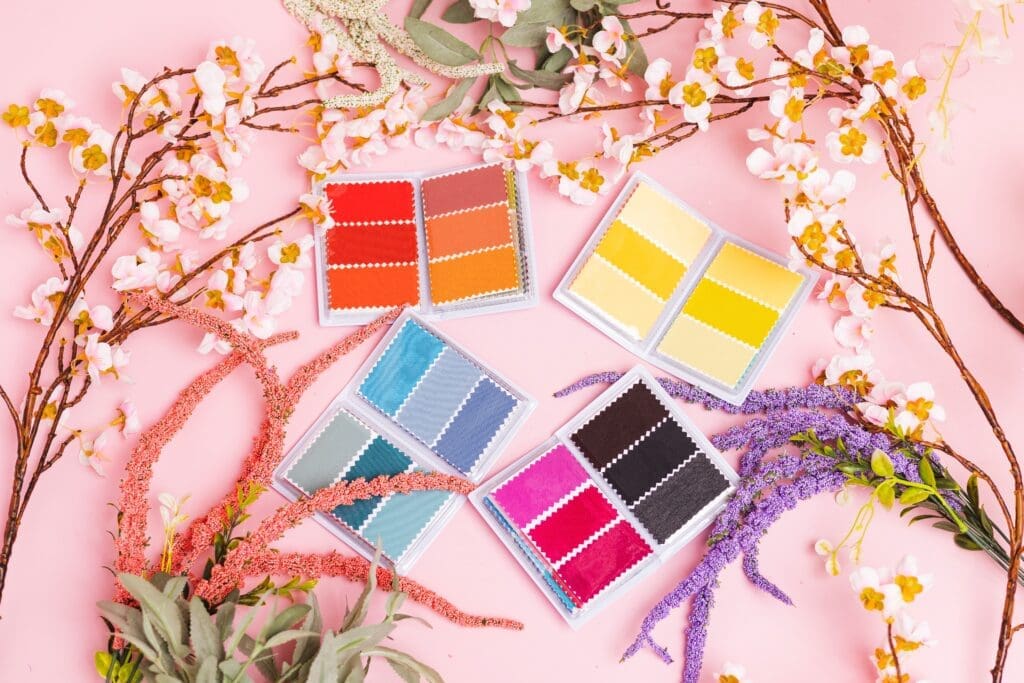
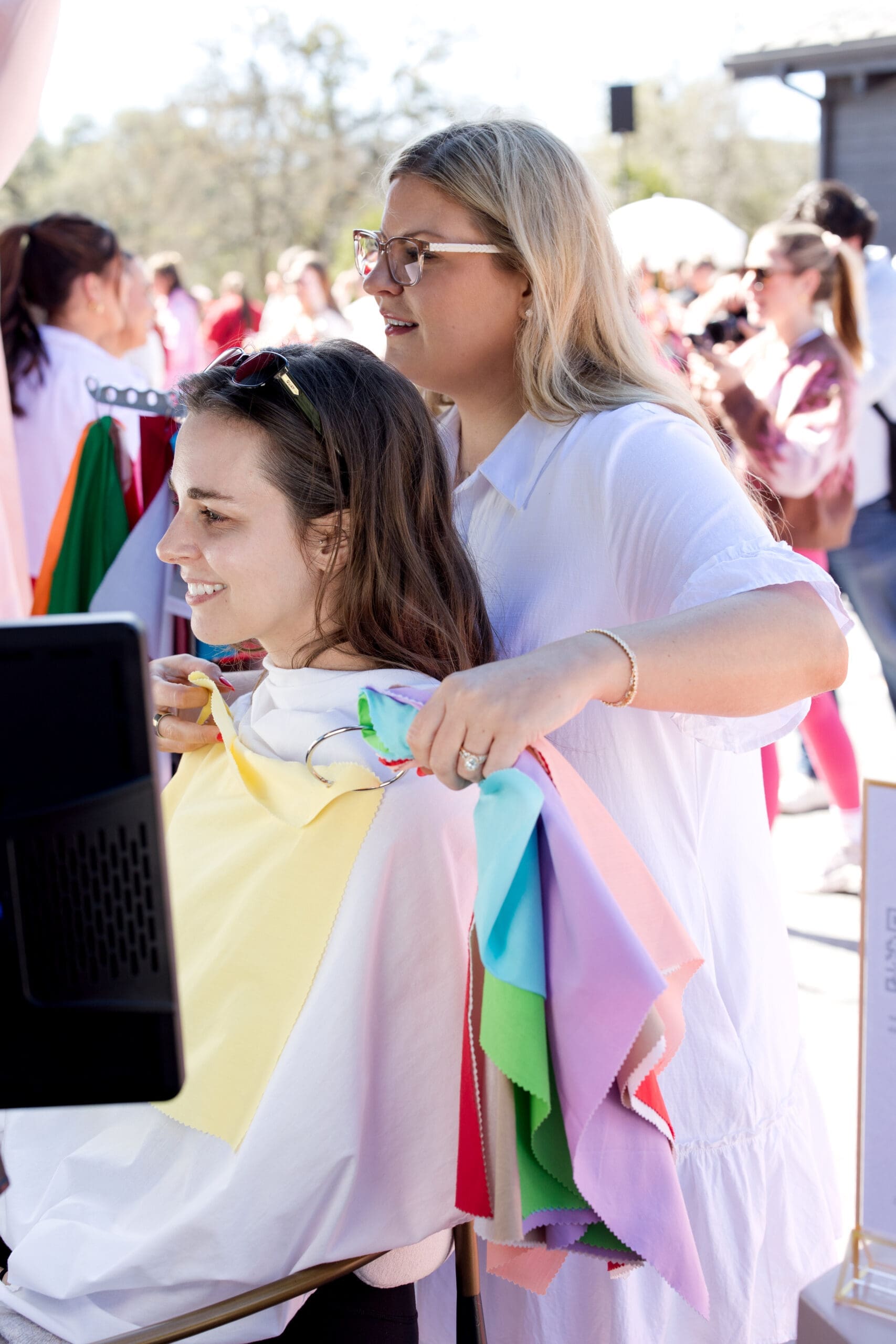
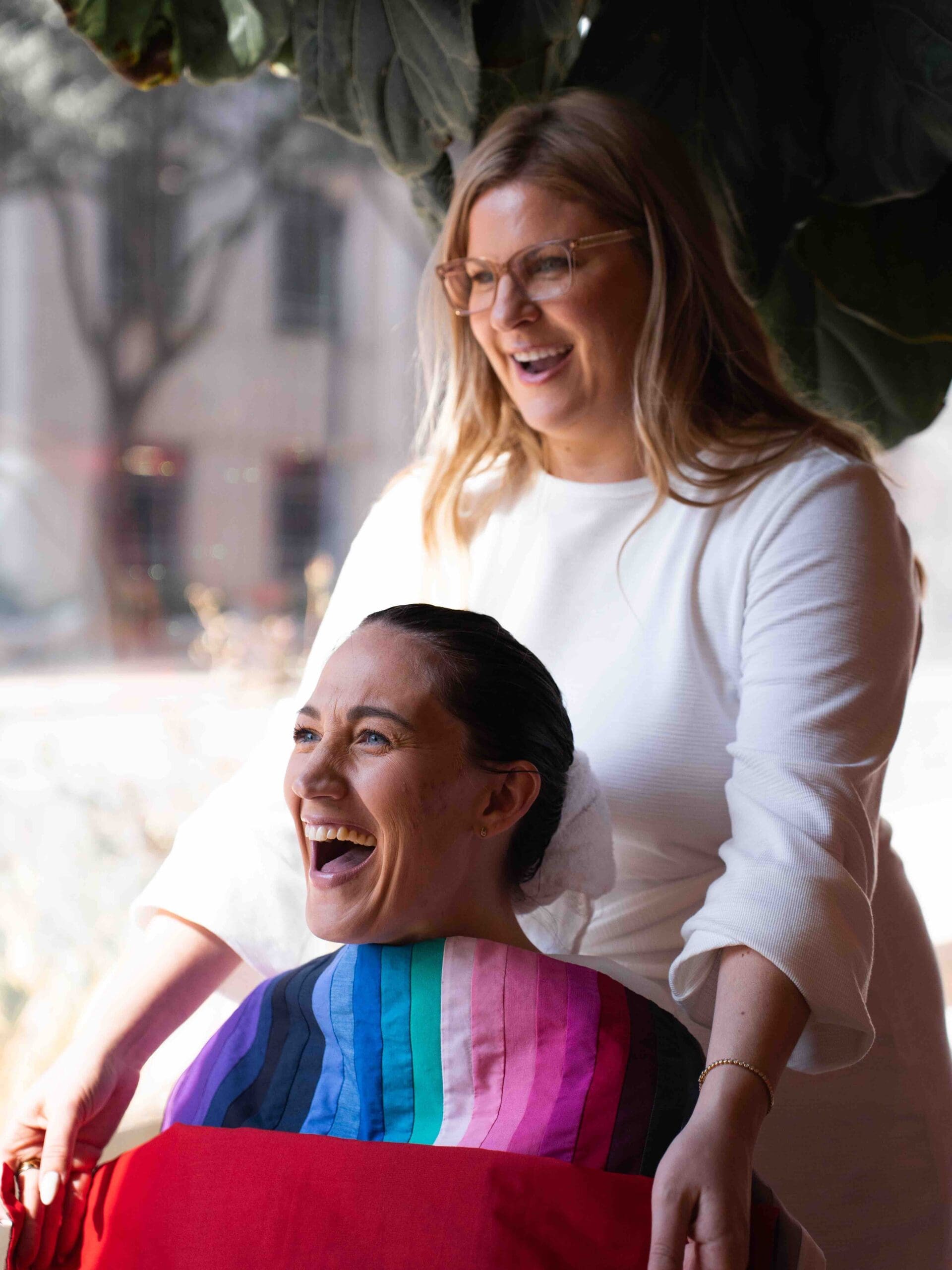
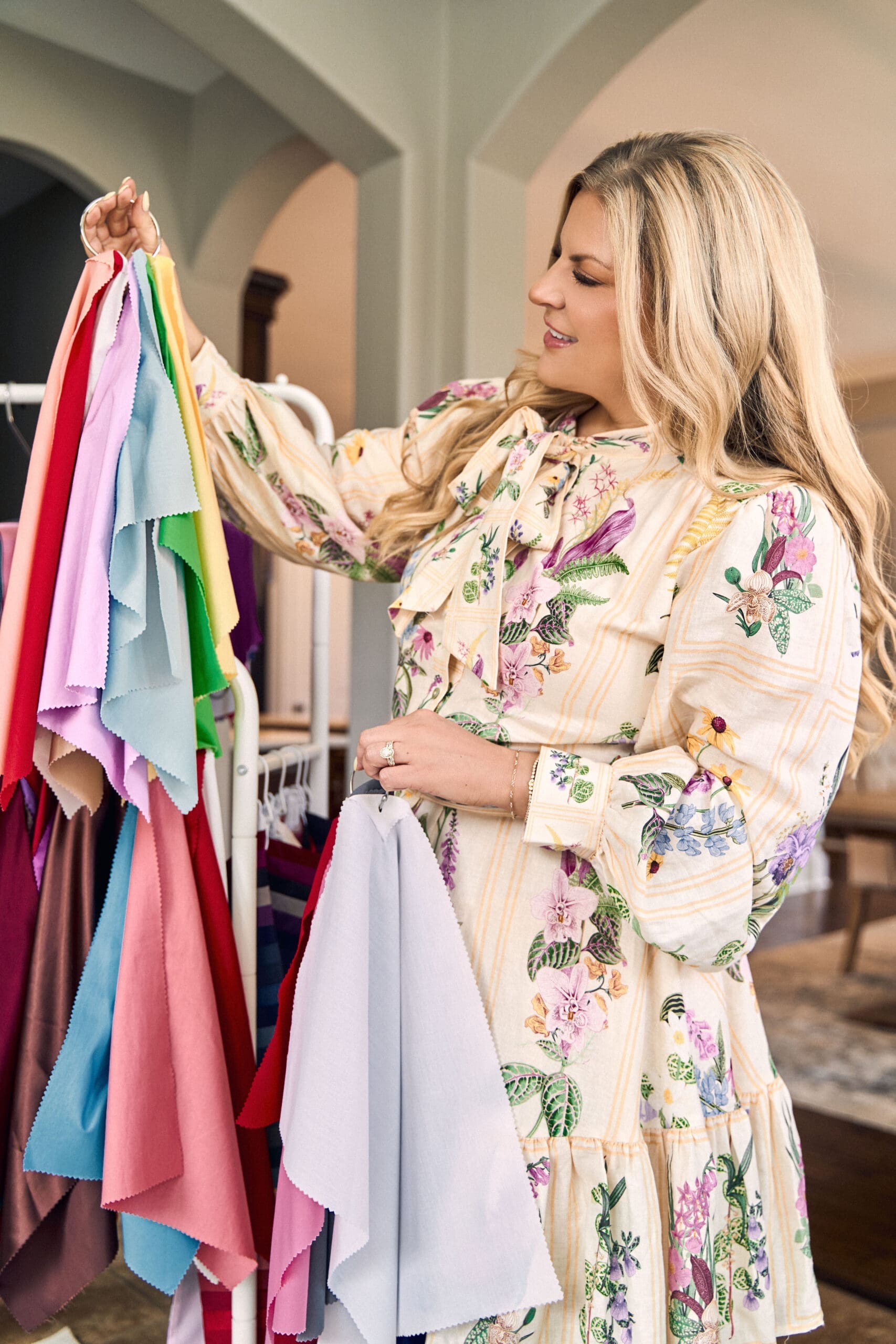
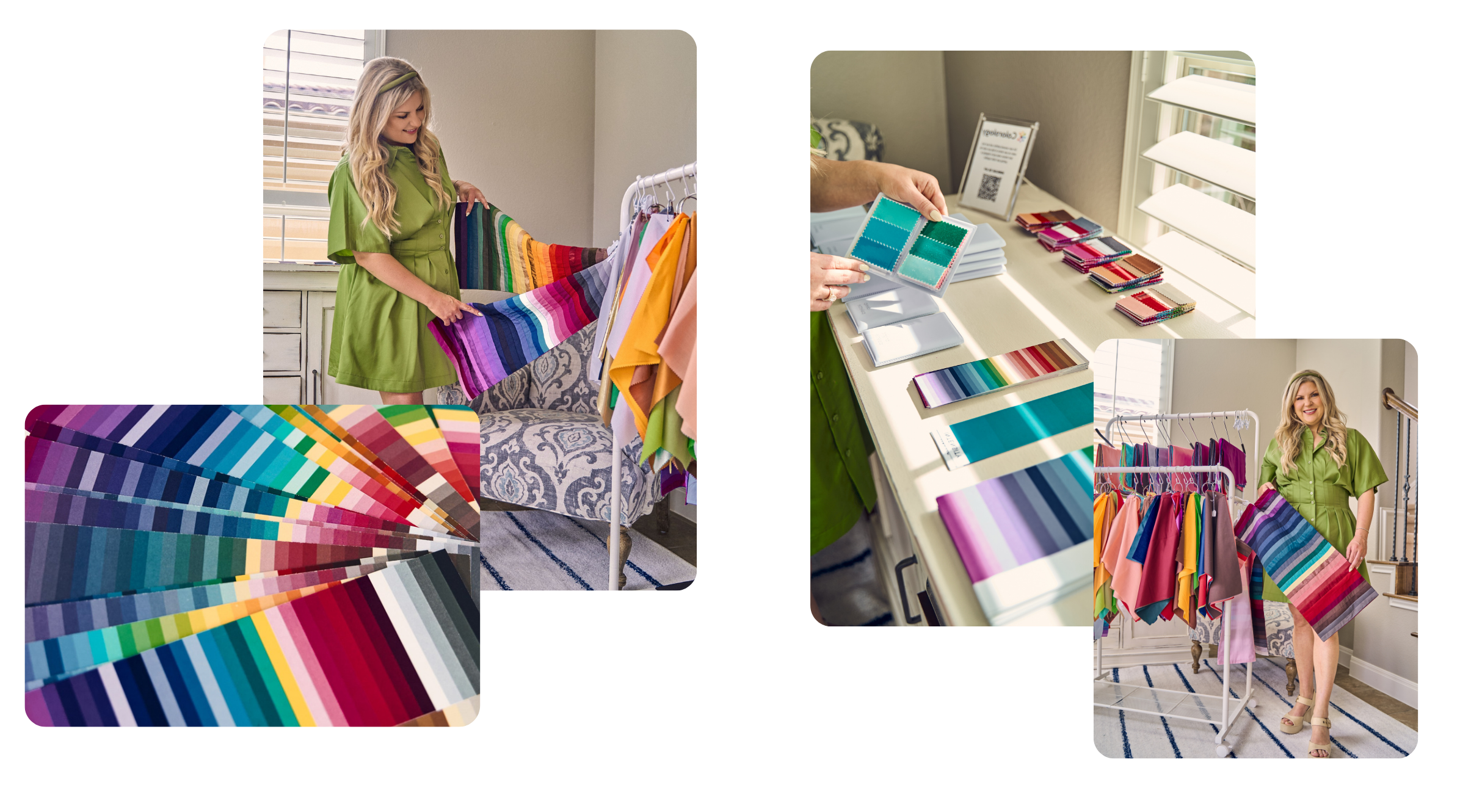
During an in-person appointment, fabric drapes are placed near your face and compared under controlled lighting. The analyst observes how different colors affect your complexion and facial features.
The process can help identify your:
- Undertone
- Best level of color intensity
- Best depth or value
- Natural contrast level
- Seasonal family
- Specific sub-season
- Best neutrals
- Most flattering accent colors
- Jewelry metals
- Makeup colors
- Hair color direction
At ATX Color Studio, I use a 23-season system to identify a detailed palette rather than stopping at the four broad seasons.
After your appointment, you can use your palette when choosing clothing, makeup, jewelry, glasses, accessories, and hair color.
What Happens During a Color Analysis Session
What Does a Personal Stylist Do?
A personal stylist focuses on how clothing works within your wardrobe and lifestyle.
Depending on the stylist and package, the service may include:
- Defining your personal style
- Reviewing your current wardrobe
- Creating outfits
- Identifying wardrobe gaps
- Recommending silhouettes
- Personal shopping
- Sourcing clothing online
- Styling an event or photo shoot
- Creating a capsule wardrobe
- Helping you coordinate accessories
A stylist may also consider your coloring, but not every stylist is professionally trained in color analysis. Some may rely on general impressions or basic seasonal categories.
Similarly, a color analyst is not automatically trained in body shape, tailoring, fit, trend forecasting, or personal shopping.
These are related specialties, but they are not interchangeable.
The Main Difference
The simplest distinction is:
A color analyst helps you determine which colors to wear.
A personal stylist helps you determine what to wear and how to put it together.
Color analysis creates a foundation. Personal styling applies that foundation to the rest of your wardrobe.
Color Analysis vs. Personal Styling at a Glance
Color Analysis
Best for:
- Identifying your most flattering colors
- Choosing better clothing colors
- Finding makeup shades
- Selecting jewelry metals
- Making hair color decisions
- Building a coordinated color palette
- Understanding why certain shades feel wrong
Typical result:
A personalized seasonal palette and guidance for using it.
Personal Styling
Best for:
- Creating outfits
- Defining your style
- Improving clothing fit
- Editing your closet
- Shopping for wardrobe gaps
- Dressing for your lifestyle
- Preparing for a special event
Typical result:
Outfits, wardrobe recommendations, shopping guidance, or a style plan.
Which Service Should You Book First?
When possible, I recommend completing color analysis before investing in a large styling or shopping package.
Color affects almost every part of a wardrobe. Once you know your palette, your stylist can use that information when recommending:
- Dresses and tops
- Jackets
- Workwear
- Shoes
- Handbags
- Jewelry
- Eyeglasses
- Special-event clothing
Completing your color analysis first can also help you avoid paying a stylist to source items in colors that you later discover are difficult for you to wear.
However, there are exceptions.
A stylist may be the better first choice when you have an immediate need, such as:
- An upcoming wedding
- A professional photo shoot
- A major work event
- A sudden dress-code change
- Significant body changes
- A closet that no longer fits your daily life
In those situations, the immediate clothing need may be more urgent than developing your complete color foundation.
Choose Color Analysis First When…
Color analysis is probably the better starting point when:
- You repeatedly buy the same unflattering colors
- Your makeup often looks disconnected from your face
- You do not know whether you suit warm or cool colors
- Black feels harsh, but you do not know what neutral to wear instead
- You are considering changing your hair color
- Your wardrobe contains many colors that do not coordinate
- You want a palette you can use independently
- You generally like your clothing but something still feels off
Color analysis does not define your style. It helps you find versions of your preferred colors that are more harmonious with you.
For example, almost every season can wear some form of blue, pink, green, red, or brown. The best version may simply need to be warmer, cooler, lighter, deeper, brighter, or softer.
Choose a Personal Stylist First When…
A personal stylist may be the better choice when:
- You do not know how to create outfits
- Your closet does not reflect your current lifestyle
- You struggle with fit or proportions
- You need clothing for a specific occasion
- You want someone to shop for you
- You own individual pieces you like but cannot combine them
- You want to define your style identity
- You need help letting go of clothing
A stylist can turn general preferences into complete outfits and a more intentional wardrobe.
Do You Need Both?
You do not necessarily need both services, but they can work extremely well together.
Color analysis gives your stylist a defined color direction. Styling then helps translate that direction into clothing that suits your body, personality, schedule, career, and lifestyle.
A useful order is:
- Complete your professional color analysis.
- Begin observing which existing pieces fit your palette.
- Identify missing wardrobe categories.
- Work with a stylist to refine silhouettes and outfits.
- Shop intentionally using both your palette and styling plan.
This sequence helps ensure that new pieces work with your coloring and your actual life.
Will Color Analysis Tell Me What Styles to Wear?
No. Your color season does not determine whether you should dress in a classic, romantic, dramatic, edgy, bohemian, or minimalist style.
Two people with the same seasonal palette may have completely different wardrobes.
A True Spring might wear bright feminine dresses, while another True Spring prefers relaxed denim and simple T-shirts. Their style choices are different, but both can use colors that share the warmth, brightness, and clarity of their palette.
Your palette should support your style, not replace it.
Will a Personal Stylist Determine My Color Season?
Some stylists are also trained color analysts, but you should not assume that color analysis is included.
Ask whether the stylist has completed formal color-analysis training and whether the service involves professional draping. A brief conversation about favorite colors is different from a complete seasonal color analysis.
When a provider offers both services, confirm how much time is devoted to each and what you will receive afterward.
How Color Analysis Can Make Styling Easier
Once you know your colors, you have a consistent reference point for future decisions.
Your palette can help you:
- Select a useful wardrobe color scheme
- Coordinate tops and bottoms more easily
- Choose versatile neutrals
- Find prints with harmonious backgrounds
- Select accessories that work across multiple outfits
- Communicate your preferences to a stylist
- Evaluate a stylist’s recommendations
- Shop independently after the styling service ends
It can also make the styling process more efficient because one major category of decisions has already been clarified.
What Happens During an ATX Color Studio Appointment?
During an in-person color analysis at my Bee Cave studio, I use professional fabric draping to test your undertone, intensity, depth, contrast, season, and specific sub-season.
Your appointment includes:
- At least 90 minutes of individual draping and education
- Your detailed 23-season result
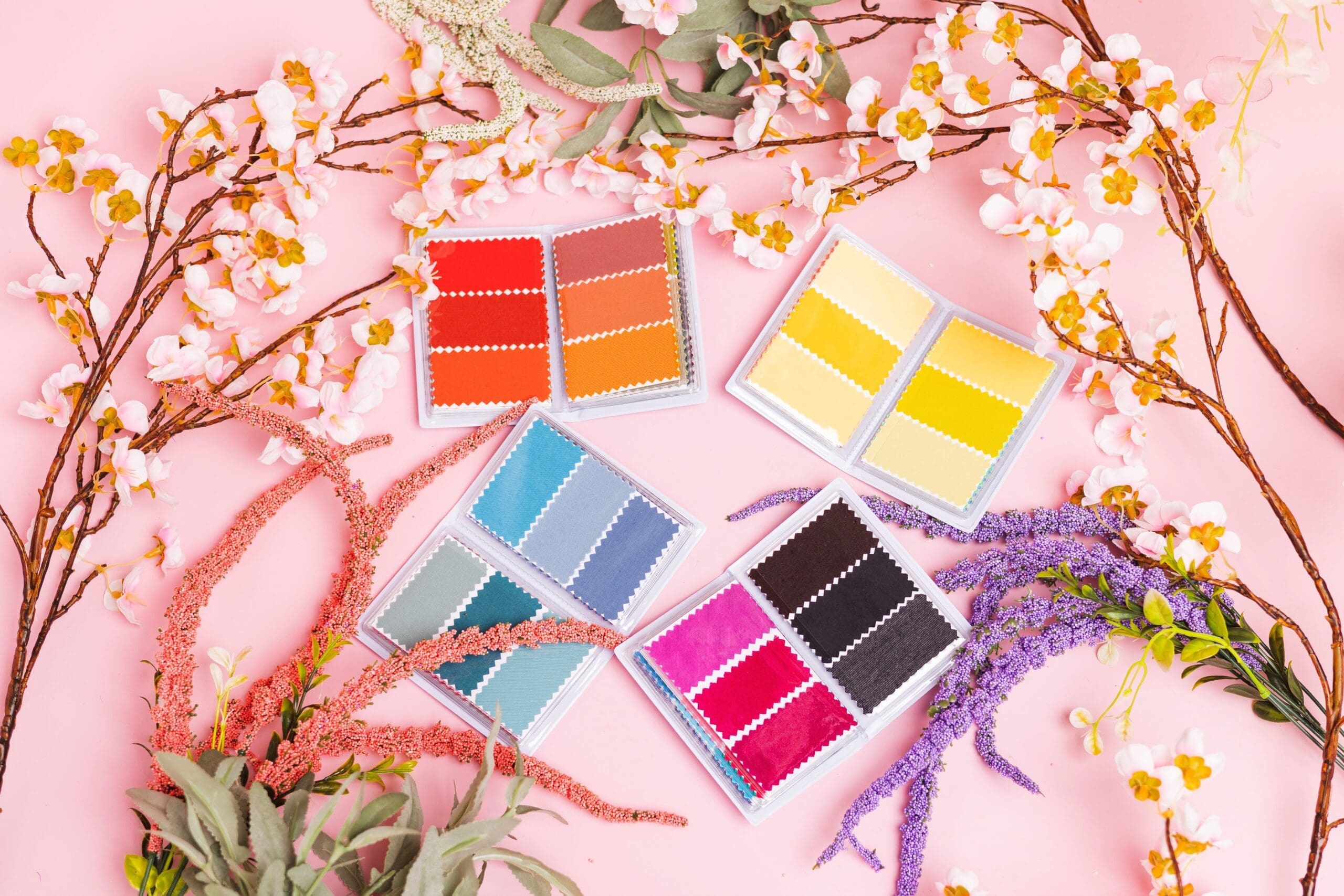
- A customized physical swatch wallet
- Clothing color guidance
- Makeup recommendations
- Hair color recommendations
- PDF shopping guides
- Colorology app access
- A complimentary follow-up Zoom call
You leave with a tool you can use on your own or share with a personal stylist.
Which One Is Right for You?
Ask yourself what question you are trying to answer.
When the question is, “Which colors look best on me?” begin with color analysis.
When the question is, “How do I create outfits that fit my body, lifestyle, and personal style?” begin with a personal stylist.
When both questions are creating frustration, the services can be combined. In most cases, completing your color analysis first gives you the clearest foundation for the styling work that follows.
If you are ready to stop guessing about color, you can book a private color analysis at ATX Color Studio in Bee Cave.
Frequently Asked Questions
Is a color analyst the same as a personal stylist?
No. A color analyst specializes in determining your most harmonious colors. A stylist specializes in clothing selection, fit, outfits, shopping, and wardrobe development.
Should I get color analysis before a closet edit?
It is often helpful. Knowing your palette gives you an additional tool for evaluating the clothing in your closet, although color should not be the only reason you keep or remove an item.
Can a personal stylist use my seasonal palette?
Yes. Bring your physical or digital palette to styling appointments so your stylist can consider it when recommending clothing and accessories.
Does color analysis tell me which clothing shapes look best?
Not by itself. Silhouette, fit, proportions, and body-shape guidance generally fall within personal styling or image consulting.
Can I still wear colors outside my palette?
Absolutely. Your palette is a guide, not a set of rules. You can use styling, makeup, accessories, layering, and placement to make less harmonious colors work more intentionally.

feartured post
Our New
Living Room
This could go to a blog post, an Amazon shop, a page of your site, your like to know it — whatever you want!


BEST THE JOURNAL
of
come visit the studio
LET'S FIND YOUR COLORS
Located in Bee Cave, just outside Austin. A relaxed, one-on-one experience designed to leave you feeling confident in every color you wear.


+ Show / Hide Comments
Share to: