


How to Choose the Best Color Analysis in Austin
Searching for the best color analysis in Austin can feel surprisingly complicated.
One analyst may use four seasons, while another uses 12, 16, or more. Some sessions include a physical palette and detailed recommendations. Others provide only your season name or a digital result. Appointment lengths and prices can also vary considerably.
So how do you know which color analyst is right for you?
The “best” color analysis is not necessarily the most expensive appointment or the analyst with the largest social media following. It is the experience that gives you accurate, clearly explained, and practical results you can confidently use after you leave.
Here are the most important factors to consider.
1. Look at the Analyst’s Training
Begin by reviewing the analyst’s education and professional training.
Color analysis is a visual skill that requires the analyst to understand how color interacts with the skin. During a session, we are not simply looking for colors that are attractive. We are observing how each color affects your complexion, facial definition, eyes, shadows, redness, texture, and overall appearance.
Ask:
- Where did the analyst receive training?
- Have they completed advanced training?
- Do they continue their education?
- How many clients have they analyzed?
- Do they explain their credentials clearly?
You should not feel uncomfortable asking about training. A qualified analyst should be happy to explain their background and process.
I am double master trained in color analysis and have worked with more than 1,000 clients. My training and experience allow me to examine several dimensions of color instead of relying on one feature or a quick visual impression.
2. Understand Which Color System They Use
There is no single color-analysis system used by every professional.
The traditional system includes four seasonal families:
- Spring
- Summer
- Autumn
- Winter
Expanded systems divide these broad seasons into sub-seasons based on qualities such as undertone, intensity, depth, and contrast.
At ATX Color Studio, I use a 23-season method. This provides more room for people whose coloring does not fit perfectly into one of the traditional categories.
For example, two people may both belong to the Spring family, but one might need clearer, brighter colors while another looks more harmonious in lighter or slightly softer Spring shades. A detailed system helps identify those distinctions.
More seasons do not automatically make an analysis accurate. The analyst must still know how to interpret what is happening during the draping. However, you should understand how detailed your final result will be before booking.
3. Ask How the Analysis Is Performed
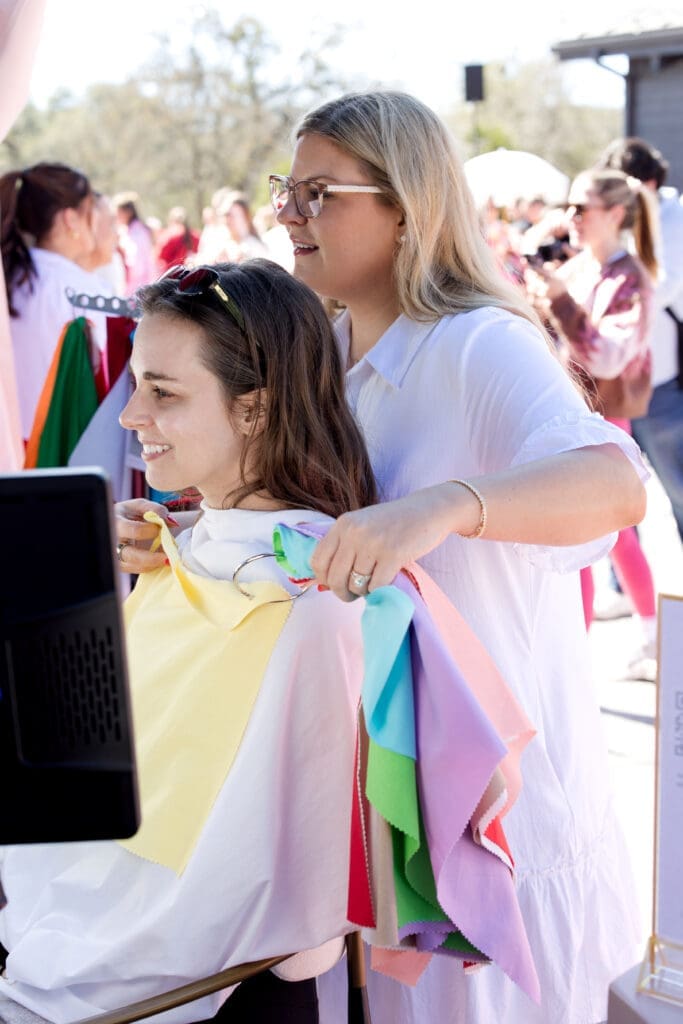
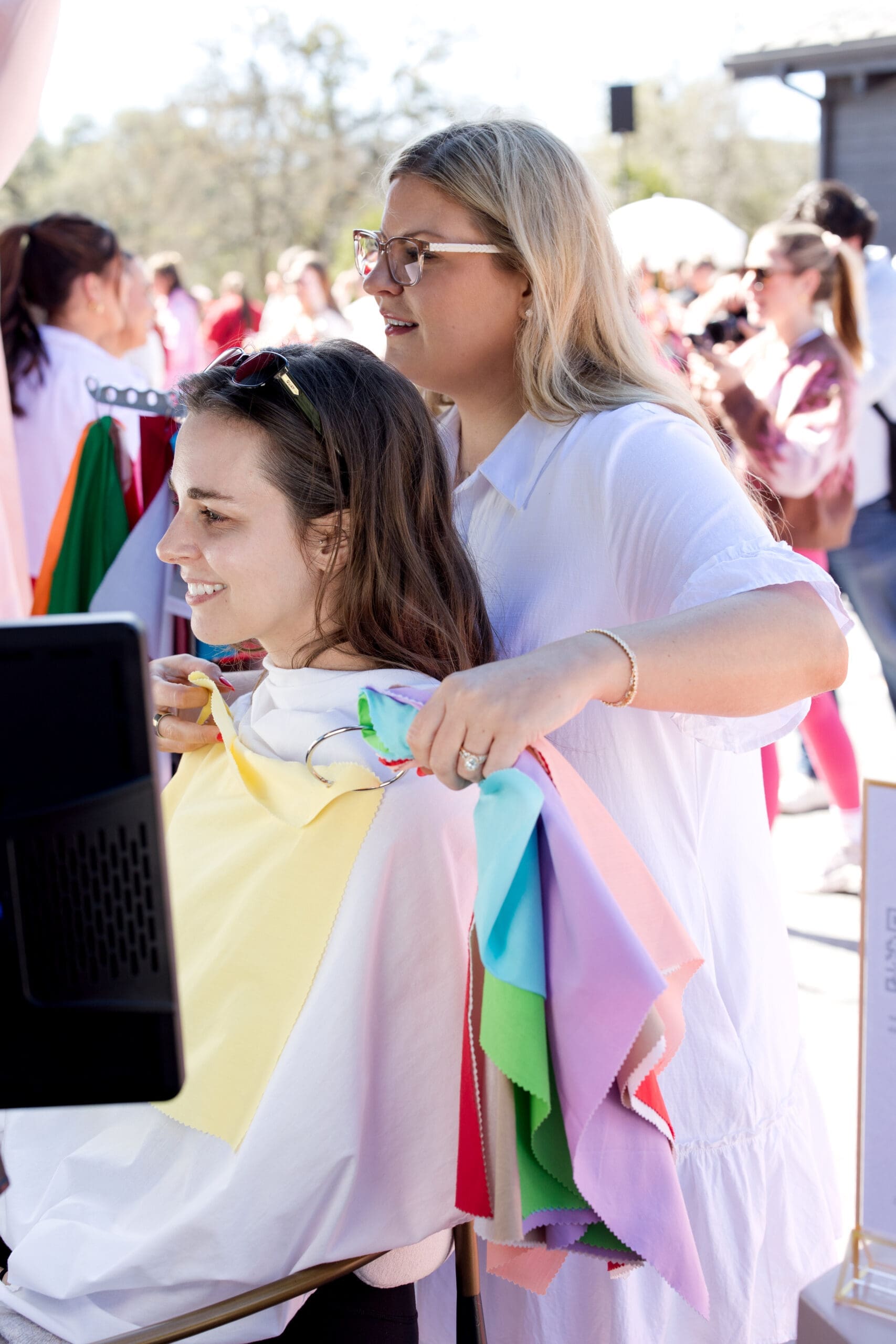
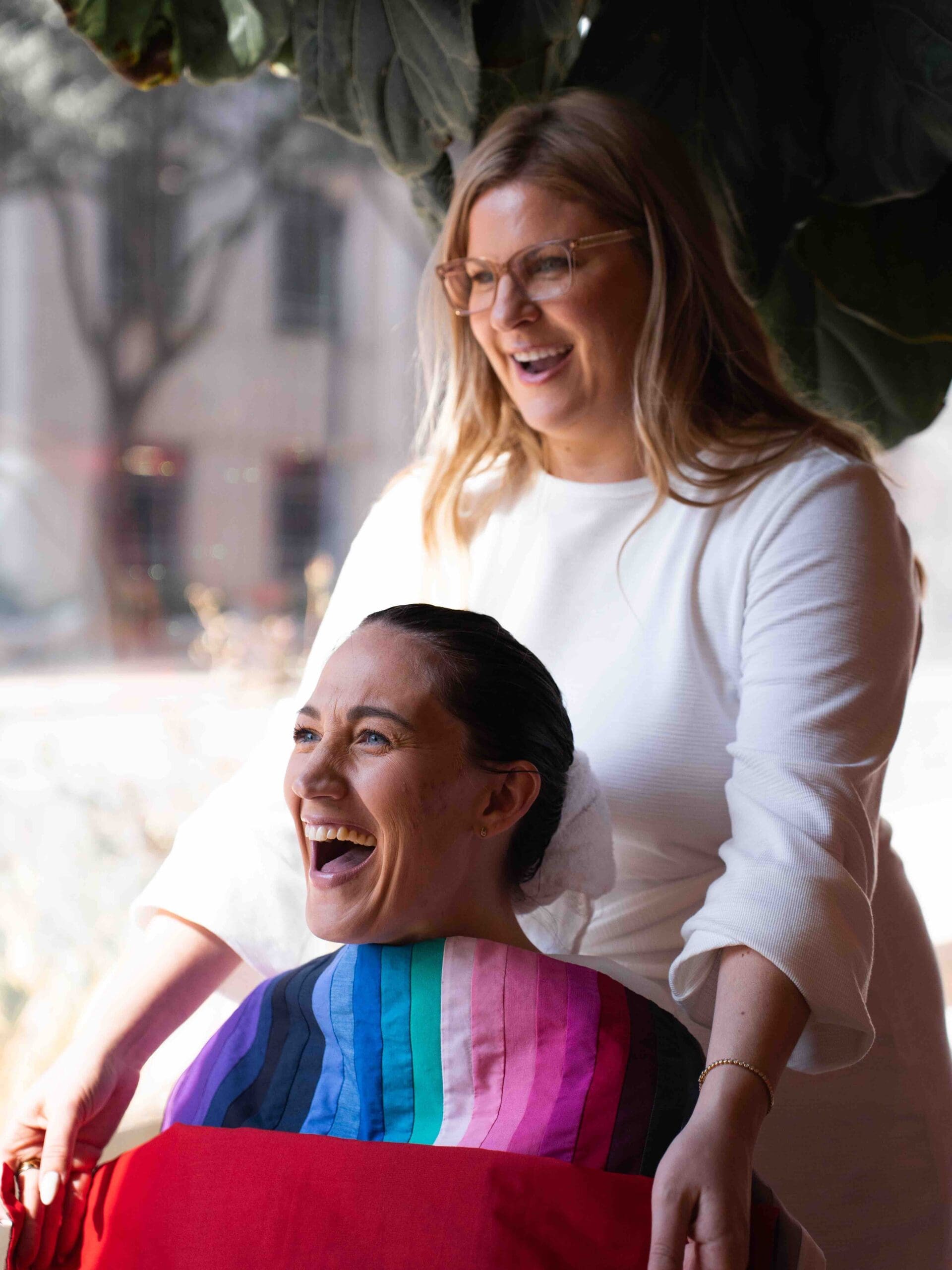
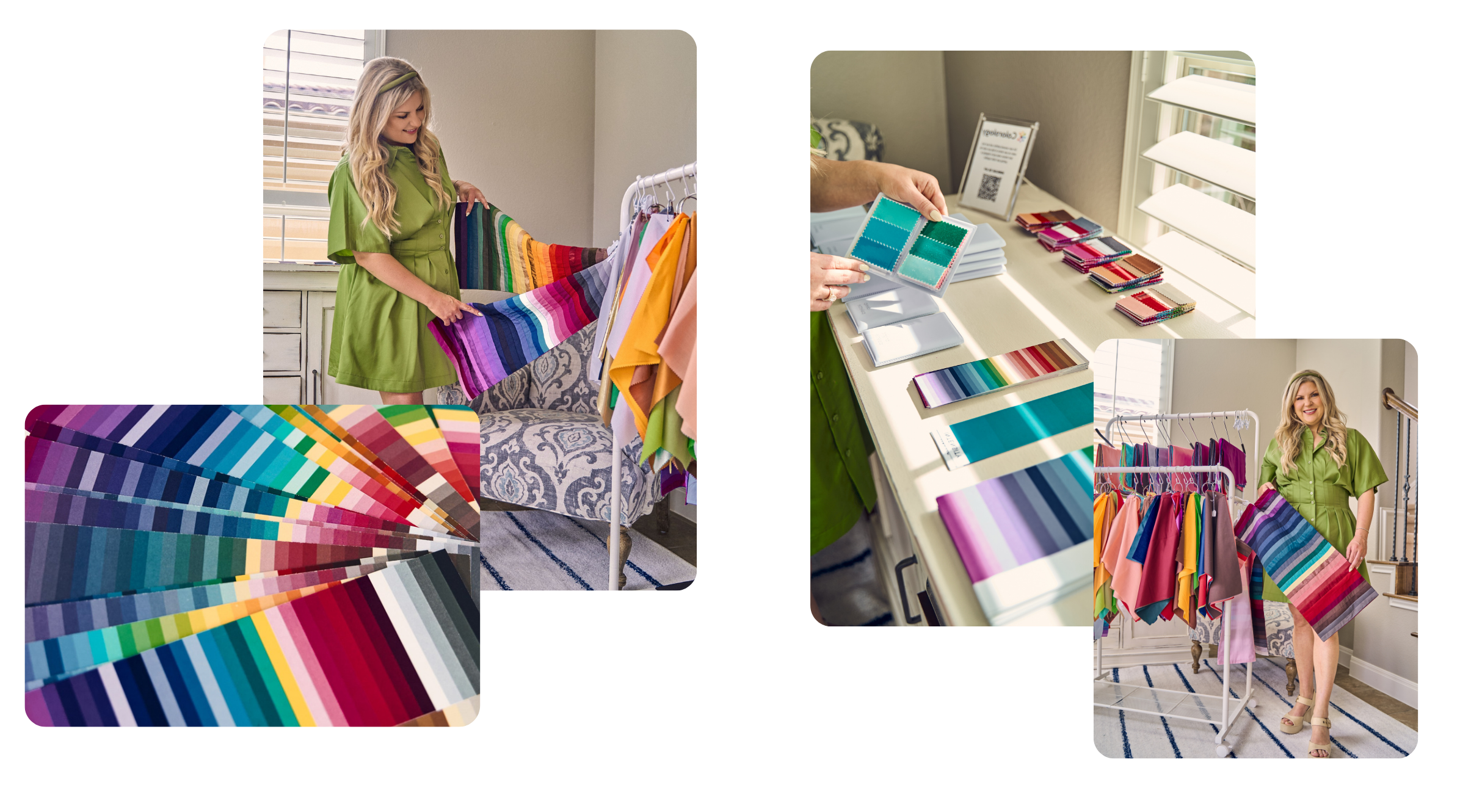
For an in-person appointment, professional fabric draping allows you and the analyst to compare colors directly against your face.
During the process, your hair and clothing are covered so they do not influence the result. Different groups of colors are placed near your face and compared under controlled lighting.
The analyst should be evaluating the effect of the color on you, not deciding your season based only on:
- Your natural hair color
- Your eye color
- Whether your veins appear blue or green
- Whether you tan easily
- Which jewelry metal you prefer
- A photograph or social media filter
Those details can provide context, but none of them should determine your entire result by itself.
Ask the analyst whether the appointment includes complete draping and how they control the lighting and surrounding colors.
4. Review What Is Included in the Price
A color analysis is most valuable when you know how to use the information afterward.
Before comparing prices, look carefully at the full list of inclusions. Depending on the analyst, your appointment may include:
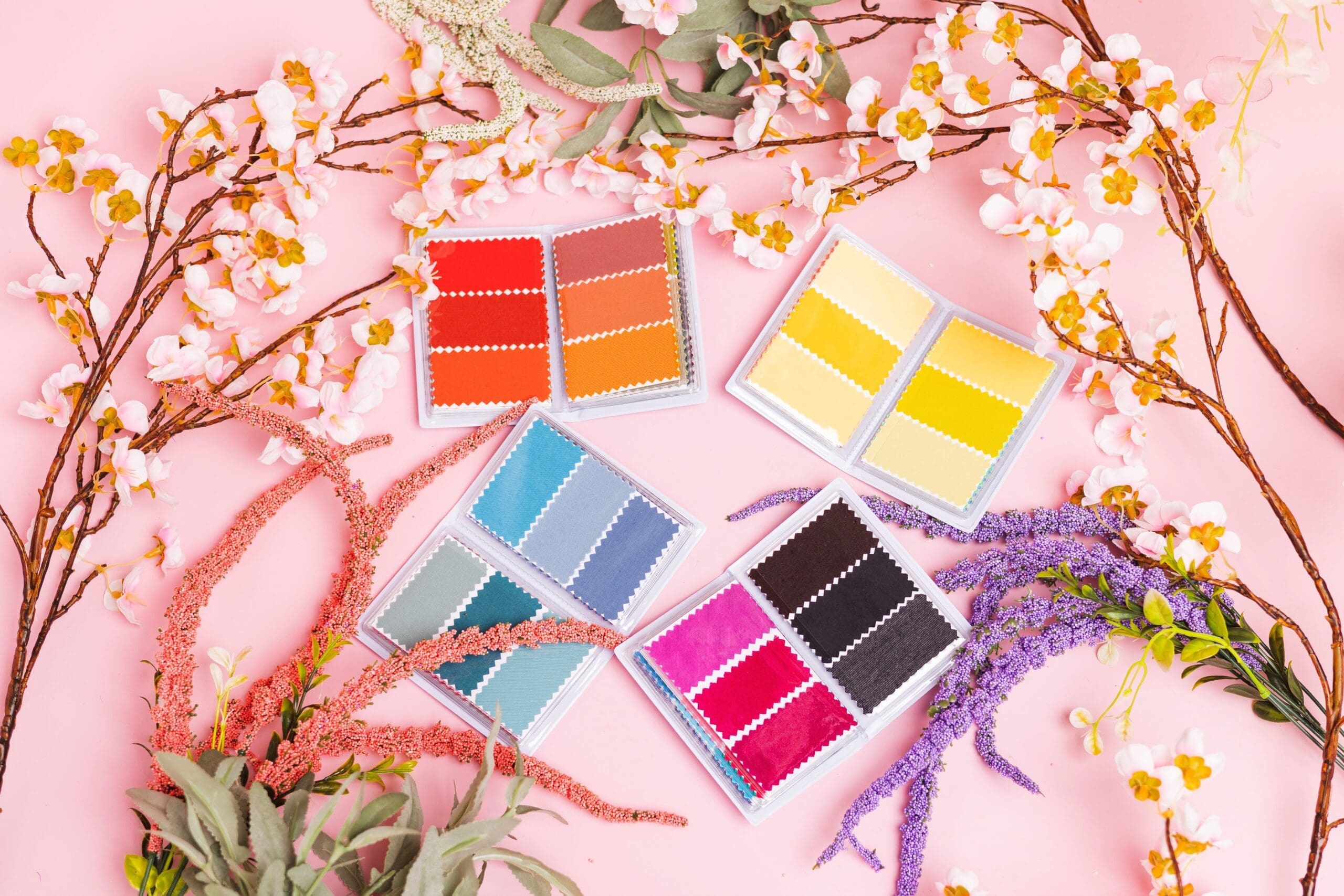
- A physical swatch wallet
- A digital palette
- Clothing recommendations
- Makeup shade guidance
- Hair color recommendations
- Your best neutrals
- Your best jewelry metals
- Shopping guides
- Photos from the session
- Follow-up support
At ATX Color Studio, an in-person session includes a customized physical swatch wallet, makeup and hair color recommendations, PDF shopping guides, Colorology app access, and a complimentary follow-up Zoom call.
The follow-up support is especially important because many questions arise after you return home and begin comparing your palette with your closet.
5. Look for Results You Can Actually Use
Receiving the name of your season is exciting, but it should not be the end of the appointment.
You should also understand:
- Why your colors work
- Which neutrals will be most useful
- How dark or light your colors should be
- How bright or muted to go
- Which versions of your favorite colors are most flattering
- How to compare new items with your palette
- How your palette applies to makeup
- What to consider before changing your hair color
A good analyst teaches you how to recognize your color qualities. That knowledge makes your palette much easier to use when you are shopping without the analyst beside you.
6. Make Sure the Analyst Works With Different Skin Tones
Color analysis is not limited to one complexion, age, ethnicity, or gender.
Every person has individual color characteristics. An analyst should know how to observe the effects of color across a wide range of skin tones without relying on outdated assumptions.
Review the analyst’s portfolio and educational content. Look for evidence that they understand nuanced coloring and do not automatically place everyone with dark hair into Winter or everyone with light features into Summer.
7. Read Reviews for Specific Details
Overall star ratings are useful, but the wording of reviews can tell you much more.
Look for clients who mention:
- Whether the process felt thorough
- Whether the analyst explained the results
- Whether they felt comfortable during the appointment
- Whether the palette was useful afterward
- Whether the analyst answered questions
- Whether the result changed how they shop or get dressed
Detailed reviews can help you understand what the actual client experience is like.
8. Consider the Experience You Want
Some people want a quick, practical answer. Others want a more educational and personalized experience.
Think about whether you prefer:
- A private individual session
- A session with a friend or partner
- A color-analysis party
- A virtual appointment
- A short introductory analysis
- A detailed sub-season analysis
There is no universally correct format. Choose the one that matches the level of guidance you want.
ATX Color Studio offers private in-person sessions in Bee Cave, virtual analysis for clients worldwide, and group experiences throughout the greater Austin area.
9. Be Cautious of Guaranteed Results From One Photograph
Photographs can be affected by:
- Indoor lighting
- Window lighting
- Camera settings
- Automatic white balance
- Filters
- Makeup
- Reflections from clothing or nearby walls
Virtual color analysis can be performed carefully, but it should include clear photography instructions and a process for checking image accuracy.
For my virtual analyses, clients submit specific photographs, receive a private Zoom results session, and have their analysis independently reviewed by a master trainer.
Be cautious of instant tools that assign a season from a single casual selfie without accounting for lighting or image distortion.
[Internal link: Virtual Color Analysis]
Why Clients Choose ATX Color Studio
My goal is not simply to tell you that you are a Spring, Summer, Autumn, or Winter.
I want you to see the differences during the draping process and understand why certain colors make you look brighter, clearer, and more balanced.
Your in-person experience includes:
- Private 90-plus-minute draping
- The detailed 23-season method
- A physical swatch wallet
- Personalized clothing guidance
- Makeup recommendations
- Hair color recommendations
- PDF shopping guides
- Colorology app access
- A complimentary follow-up Zoom call
The Bee Cave studio is located just outside Austin and is available by appointment.
Questions to Ask an Austin Color Analyst
Before choosing an analyst, ask:
- What professional training have you completed?
- Which color system do you use?
- Will you perform a full fabric draping?
- How long is the appointment?
- What will I receive with my results?
- Is a physical palette included?
- Do you provide makeup and hair guidance?
- Can I ask questions after the appointment?
- Do you offer virtual or group options?
- How do you ensure accurate lighting?
The analyst’s answers should leave you feeling informed rather than pressured.
Frequently Asked Questions
Who offers color analysis in Austin?
Austin has several independent color analysts who use different seasonal systems and offer different appointment formats. Compare training, methodology, session length, inclusions, and support before choosing one.
What is the difference between four-season and expanded color analysis?
A four-season analysis identifies your broad seasonal family. Expanded systems divide those families into more precise sub-seasons using characteristics such as undertone, depth, intensity, and contrast.
Is color analysis better in person?
In-person analysis allows you to see fabric comparisons directly against your face. A carefully conducted virtual analysis can still be useful for clients who cannot travel, provided that the analyst uses detailed photography requirements and a thorough review process.
Where is ATX Color Studio located?
ATX Color Studio is located in Bee Cave, Texas, just outside Austin. The exact studio address is provided to clients after booking.

feartured post
Our New
Living Room
This could go to a blog post, an Amazon shop, a page of your site, your like to know it — whatever you want!


BEST THE JOURNAL
of
come visit the studio
LET'S FIND YOUR COLORS
Located in Bee Cave, just outside Austin. A relaxed, one-on-one experience designed to leave you feeling confident in every color you wear.


+ Show / Hide Comments
Share to: